

 Garden design has shifted over the last decade or so. What was once a single patio leading onto an open lawn is now being approached with the same care and consideration as the inside of the home. Thoughtful layouts and a stronger sense of purpose are changing how outdoor spaces are planned. Garden zoning has become rather central as a principle of high-end design, and it is changing the way awnings are used, too.
Instead of being added at the end of a project as a sort of bolt-on, awnings are increasingly designed into the garden from the outset. They help define outdoor living zones and can really improve how the space is used.
What Does Garden Zoning Mean?
Garden zoning is about dividing an outdoor space into clearly defined areas. The logic is that each space is designed around how that part of the garden will be used. Dining, entertaining, or working, for example. Garden zoning helps each area’s purpose feel obvious rather than implied.
The goal of garden zoning is not simply to fill the garden with features.
It is to create balance and clarity. In a well-zoned garden, movement feels natural, and the space becomes easier to understand and enjoy. Instead of large areas that feel underused or uncertain, every part of the garden earns its place.
Why Zoning Suits the Larger Garden
More expansive gardens are generally expected to offer more than surface-level beauty, though this is, of course, a crucial aspect. These gardens are designed to be lived in, often in different ways throughout the day and across the changing seasons. Garden zoning means that different moods can sit comfortably alongside one another, without competing for attention.
There is also a sense of completeness that comes with a zoned layout. The garden feels finished and intentional, with a natural flow that mirrors how you, your family, and your guests live.
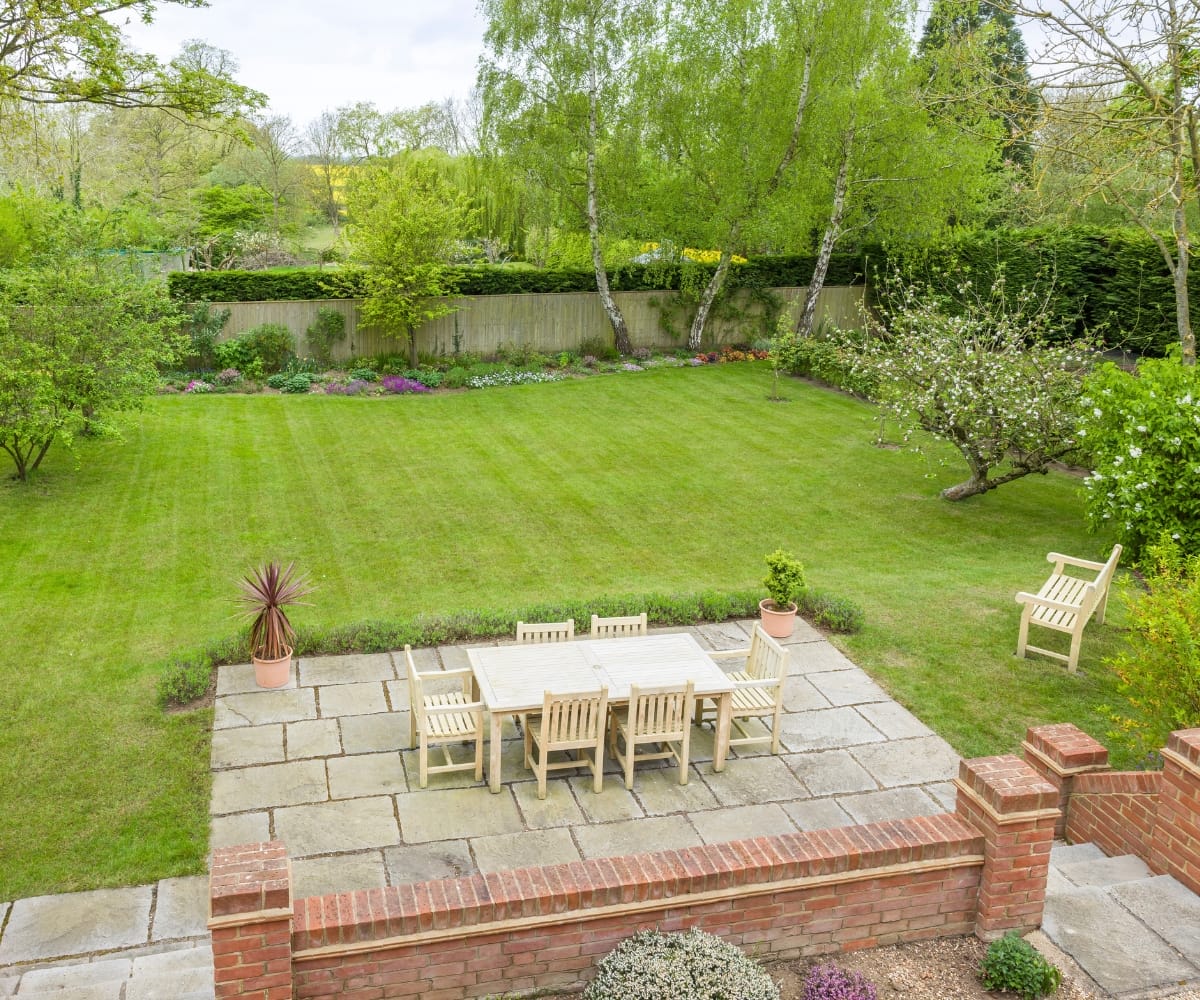
Where Do Awnings Fit into Garden Zoning?
Awnings can play an absolutely brilliant role in shaping outdoor living zones, both practically and visually. They create a sense of enclosure without relying on permanent structures. This is what makes them so effective within zoned gardens.
When you place an awning with care, it can help define areas rather than simply covering them. A dining space beneath an awning immediately feels purposeful and settled; a seating area gains comfort and calm. The garden begins to read as a collection of outdoor rooms rather than a single open space.
Looking to use awning zones to enhance your outdoor space?
We offer an end-to-end service that handles every detail of awning installation from the initial quote to ongoing maintenance. Get in touch with The Great British Awning & Blind Company on 0800 048 7700 or through our website.
Improving Flow Without Breaking the Garden
One of the strongest benefits of garden zoning is improved flow. Moving from the house into the garden should feel natural, and garden zoning truly helps create that transition. Awnings support this by subtly marking where one zone ends and another begins.
Placed close to the home, an awning can act as a softer threshold between inside and out. It defines the main outdoor living zone without blocking views or interrupting the openness of the garden. Further into the space, zones can become more relaxed and informal.
The key, of course, is balance. Too many structures can fragment a garden and make it feel busy. Used thoughtfully, awnings define without dividing, allowing the space to feel cohesive and open.
Thinking About Garden Zoning Early Pays Off
Planning garden zoning early makes a noticeable difference. It means that awnings can be integrated properly rather than fitted around existing layouts, which often leads to compromises.
When outdoor living zones are considered from the beginning, it becomes easier to decide where shelter is genuinely needed and how each zone should relate to the next. This approach avoids clutter and ensures the garden works as a whole.
Awnings work best when they are part of the plan from the get-go, not a late addition.
If you are considering changes to your own garden, stepping back and looking at how the space is actually used can be a valuable starting point.
Visual Balance and Outdoor Rooms
Zoned gardens often feel calmer and more composed, and that sense of ease is rarely accidental. Visual balance comes from proportion, repetition, and clarity of purpose.
Awnings contribute by introducing strong horizontal lines that frame space without overpowering it. They create a sense of ceiling, even when retractable, which helps outdoor living zones feel comfortable and settled.
When combined with planting, lighting, and carefully chosen furniture, awnings help outdoor rooms feel complete rather than staged.
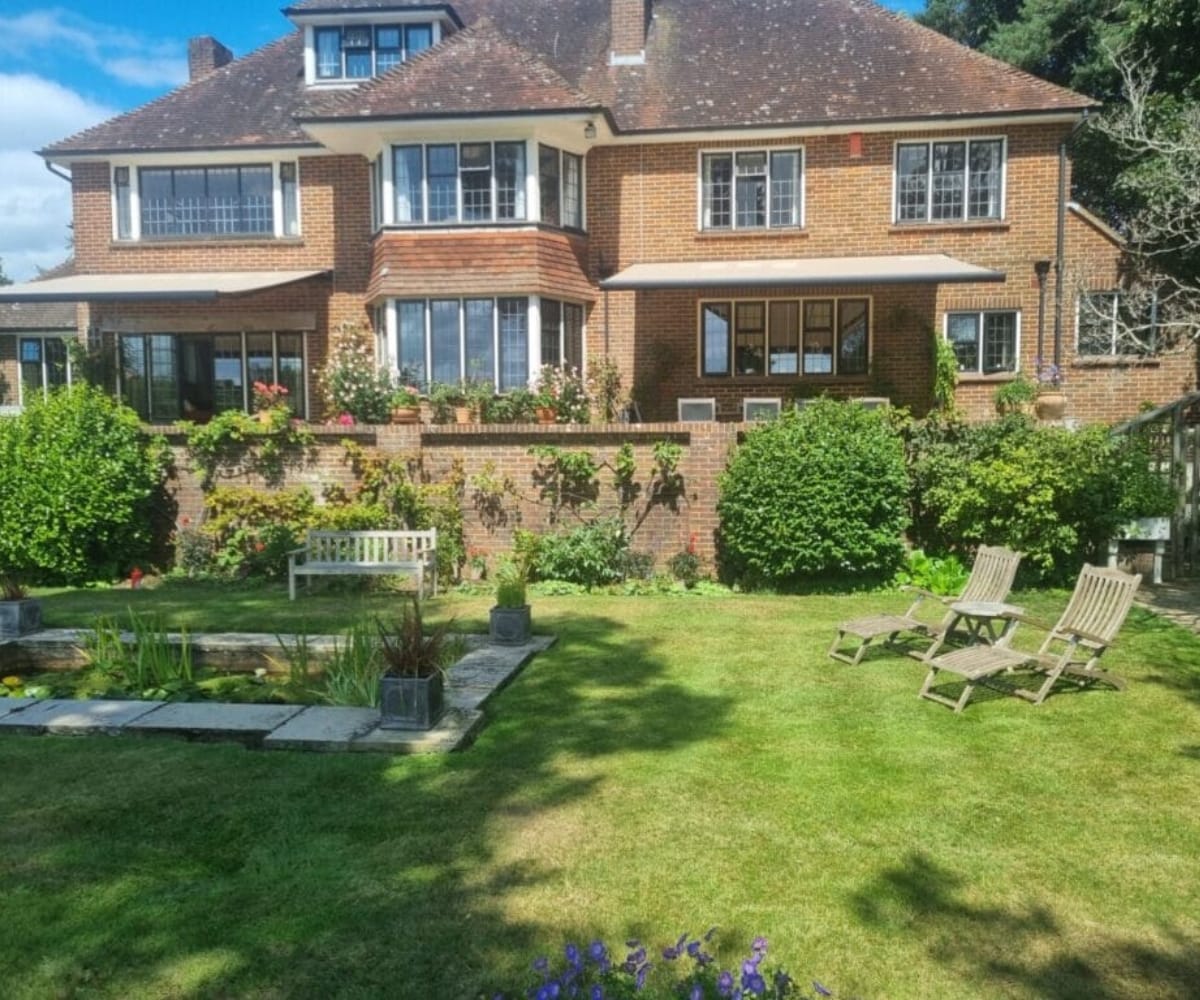
Ready to Bring Your Space to Life with Garden Zoning?
At The Great British Awning & Blind Company, we help homeowners turn thoughtful garden zoning into something that genuinely works day to day. Our awnings for patios, lawns, and more are designed to define outdoor living zones without overpowering the space.
We take the time to understand how your garden is used, how it connects to the home, and where an awning will add the most value. The result is a solution that feels considered, practical, and visually balanced, rather than added on as an afterthought.
If you’re planning a renovation and want your garden to feel structured, usable, and beautifully finished, we’re here to help guide the process.
FAQs
What is garden zoning in simple terms?
Garden zoning involves dividing a garden into areas based on how each space will be used, such as dining, relaxing, or entertaining.
Do awnings work in smaller gardens?
They do. In smaller spaces, awnings can help define a single outdoor living zone without overwhelming the overall layout.
Is zoning only suitable for modern gardens?
No. Zoning works across traditional and contemporary gardens when it is approached with care and balance.
Can zoning make a garden feel smaller?
When planned well, zoning often makes a garden feel more usable and more spacious by giving each area a clear purpose.
Are awnings purely practical features?
They are practical, but they also play an important design role in shaping outdoor living zones.